Experience
The only large city astride two continents, capital of three empires, with UNESCO-listed historic areas.
Istanbul spreads either side of the Bosphorus, the strait that separates Europe from Asia and links the Black Sea to the Sea of Marmara. The city was in turn Byzantium, Constantinople and Istanbul, capital of the Eastern Roman, Byzantine and Ottoman empires.
The historic areas of Istanbul have been a UNESCO World Heritage site since 1985. Most of the monuments are concentrated in Sultanahmet, on the European side, and can be covered on foot.
Crossing the Bosphorus by boat is part of the visit rather than an addition to it: it is how people travel daily, and the best way to understand the geography of the city.
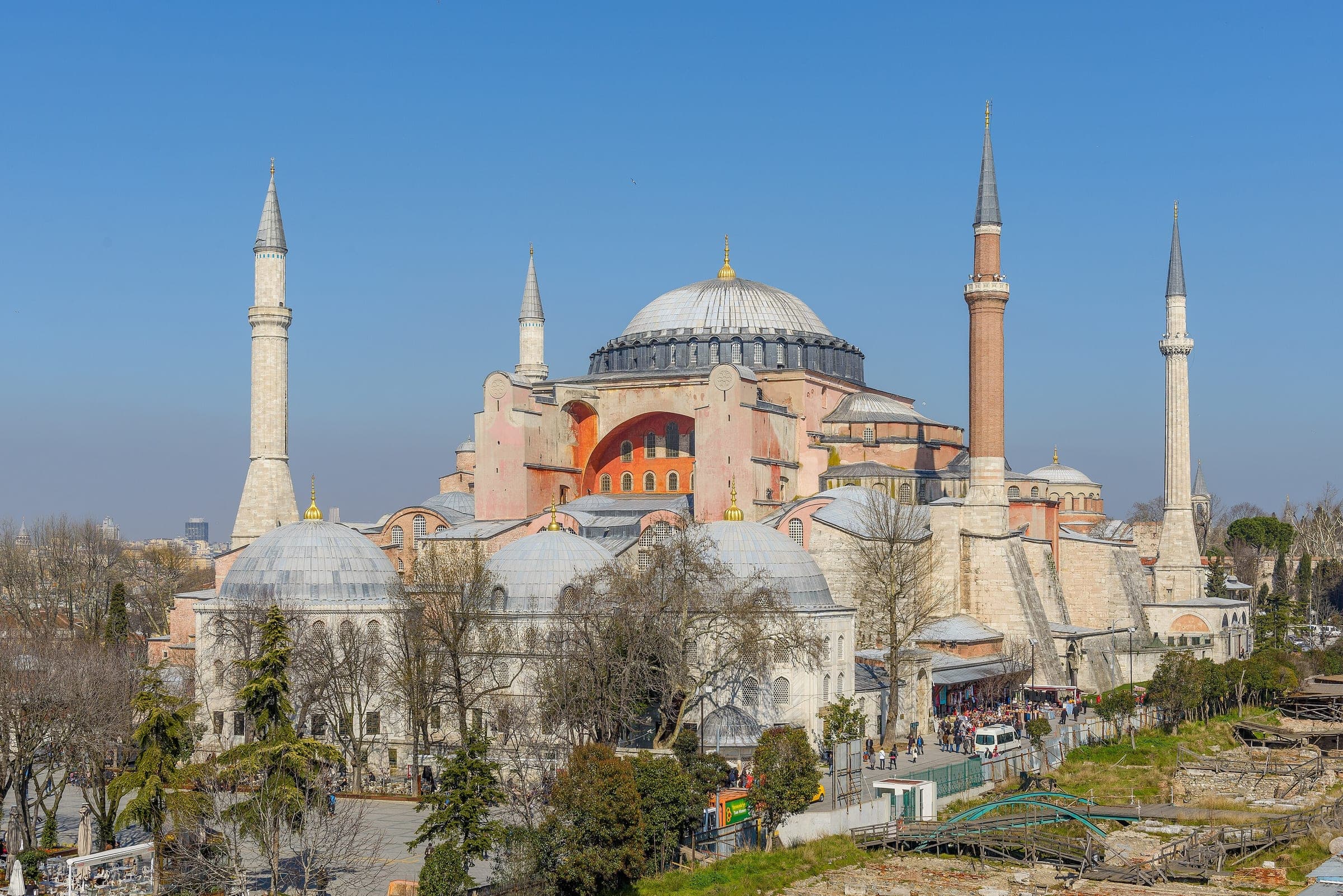
Built in 537, first a basilica then a mosque; one of the great domes of late antiquity.
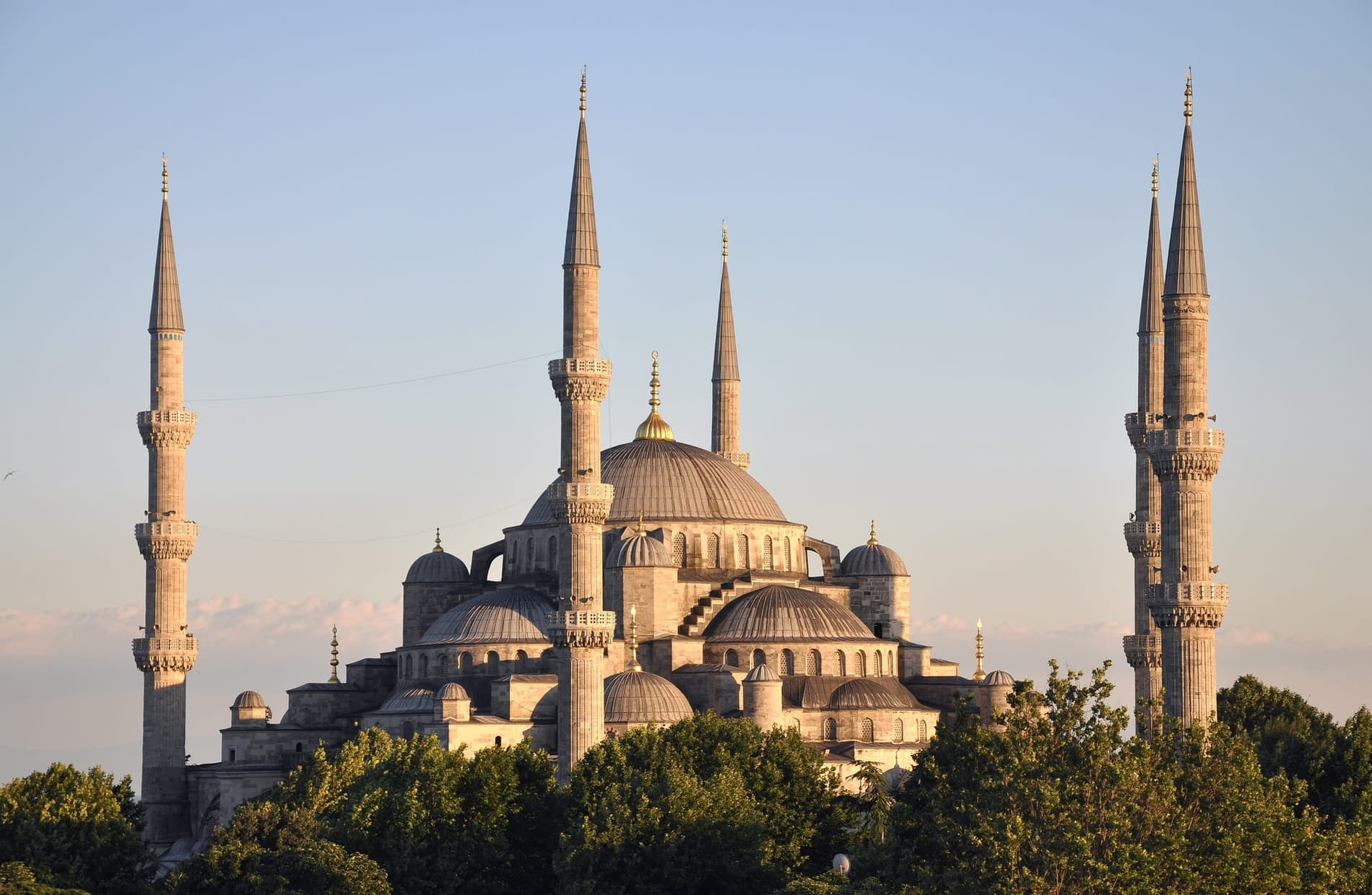
Sultan Ahmet's mosque, completed in 1616: six minarets and Iznik tiles.
Residence of the Ottoman sultans for nearly four centuries.
A 15th-century covered market, several thousand shops.
A 6th-century Byzantine underground reservoir, a forest of columns.
The ferry crossing between the two shores, palaces and yalis along the water.
April to June and September to October. Summer is hot and very busy, winter damp and sometimes snowy.
Four full days cover Sultanahmet, Topkapi and the Grand Bazaar and leave a day for the Asian side and the Bosphorus without rushing.
Both. The Bosphorus runs through the city: the historic old town is on the European shore, the districts of Kadikoy and Uskudar on the Asian one.
Yes, they are working mosques, open to visitors outside prayer times. Modest dress is expected, a headscarf for women, shoes removed at the door.