Experience
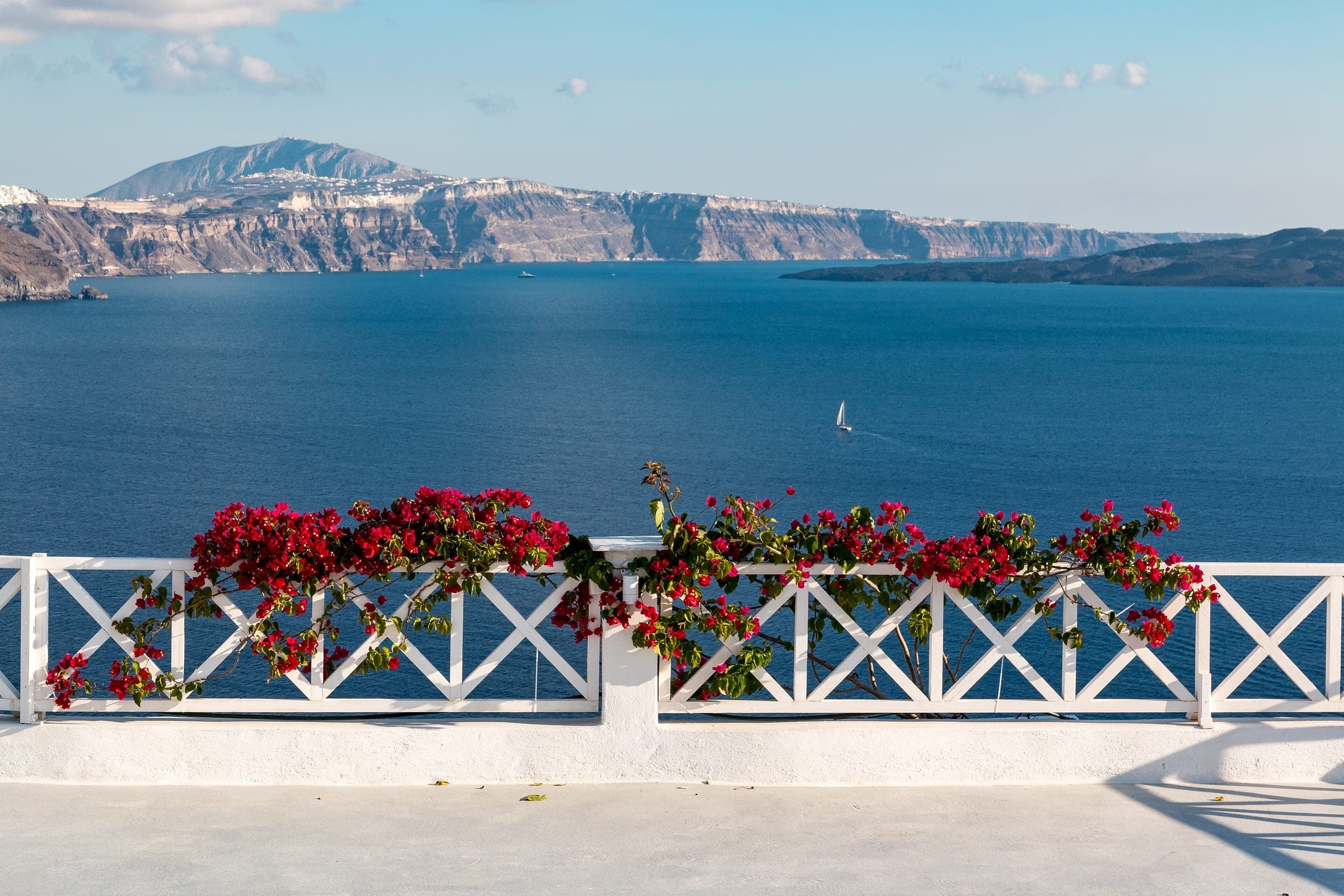
A crescent island left by the collapse of a volcano, with white villages perched on the caldera.
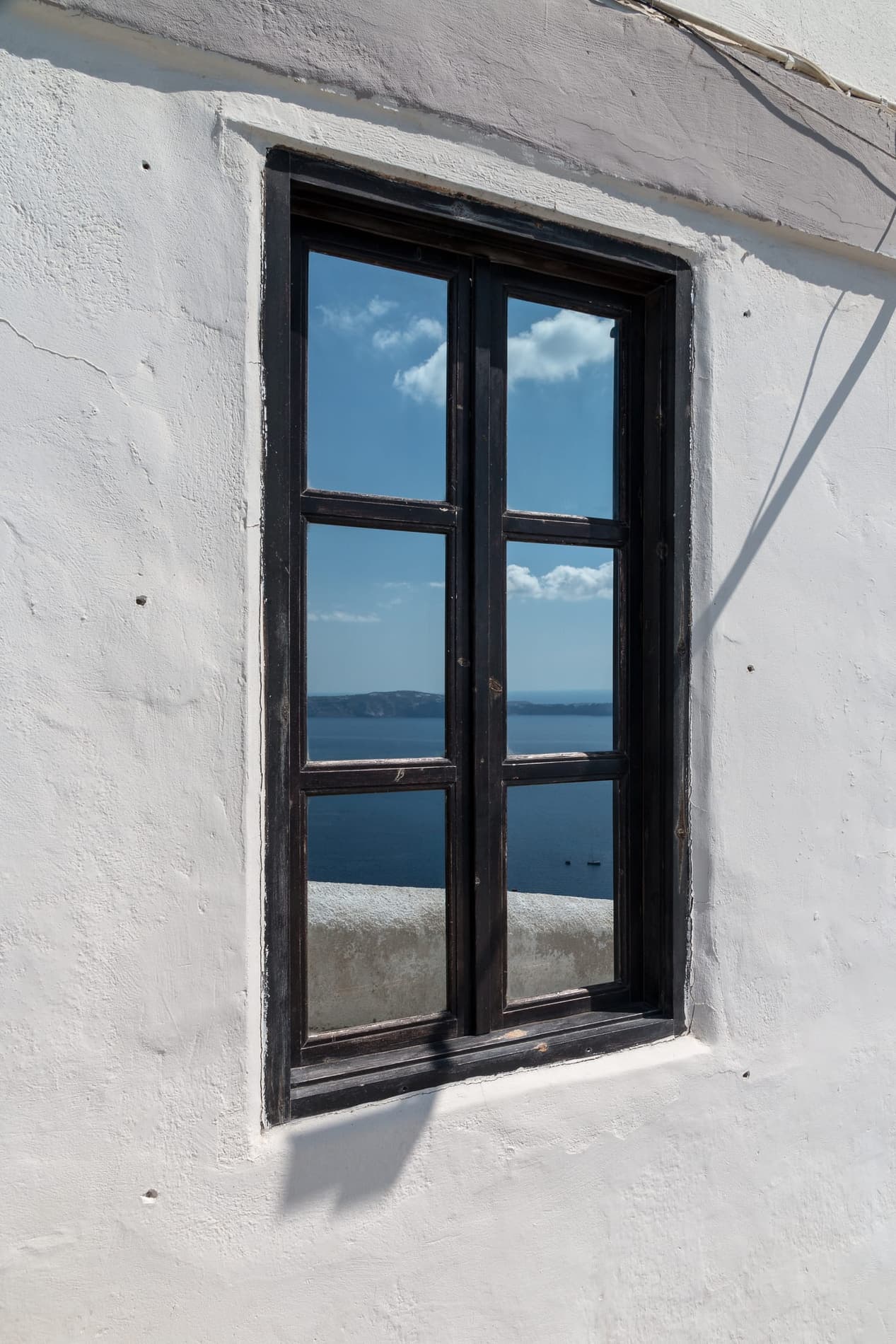
Santorini is what remains of a circular island torn apart by a major eruption in the Bronze Age. The cliff along the caldera falls several hundred metres into the sea: it is what gives the island its outline.
Fira and Oia cling to the top of that cliff, on the west coast, which is why sunsets there have become a daily appointment. The path linking the two villages takes about three hours.
The archaeological site of Akrotiri, buried by the eruption, preserves a Bronze Age town with its streets and its multi-storey houses. The beaches, on the east coast, are black or red volcanic sand.
The northern village: white houses and blue domes above the caldera.
The island's main town, on a balcony over the caldera.
A Bronze Age town buried by the eruption, excavated and roofed.
The crossing to the volcanic islet of Nea Kameni and its hot springs.
Black volcanic sand, on the east coast.
May, June, September and early October. July and August are saturated and expensive; in winter part of the hotels and connections close.
May-June and September: the sea is already, or still, warm, the days are long and the island is less saturated than at the height of summer.
Oia is quieter and more photogenic, Fira more central and better served for getting about. Both are on the caldera, some twenty minutes apart by bus.