Experience
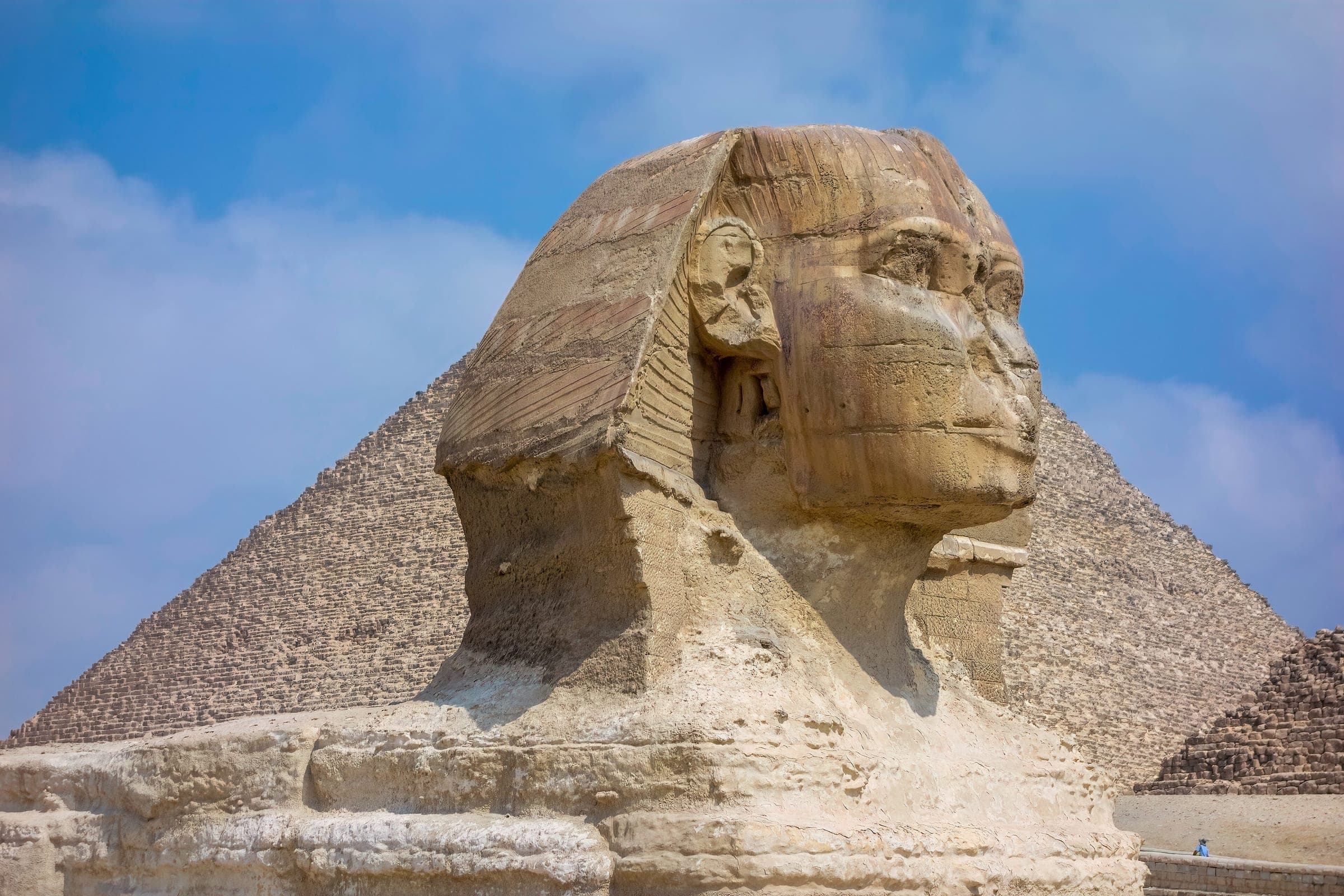
The Egyptian capital, at the edge of the Giza plateau, where the three pyramids and the Sphinx stand.
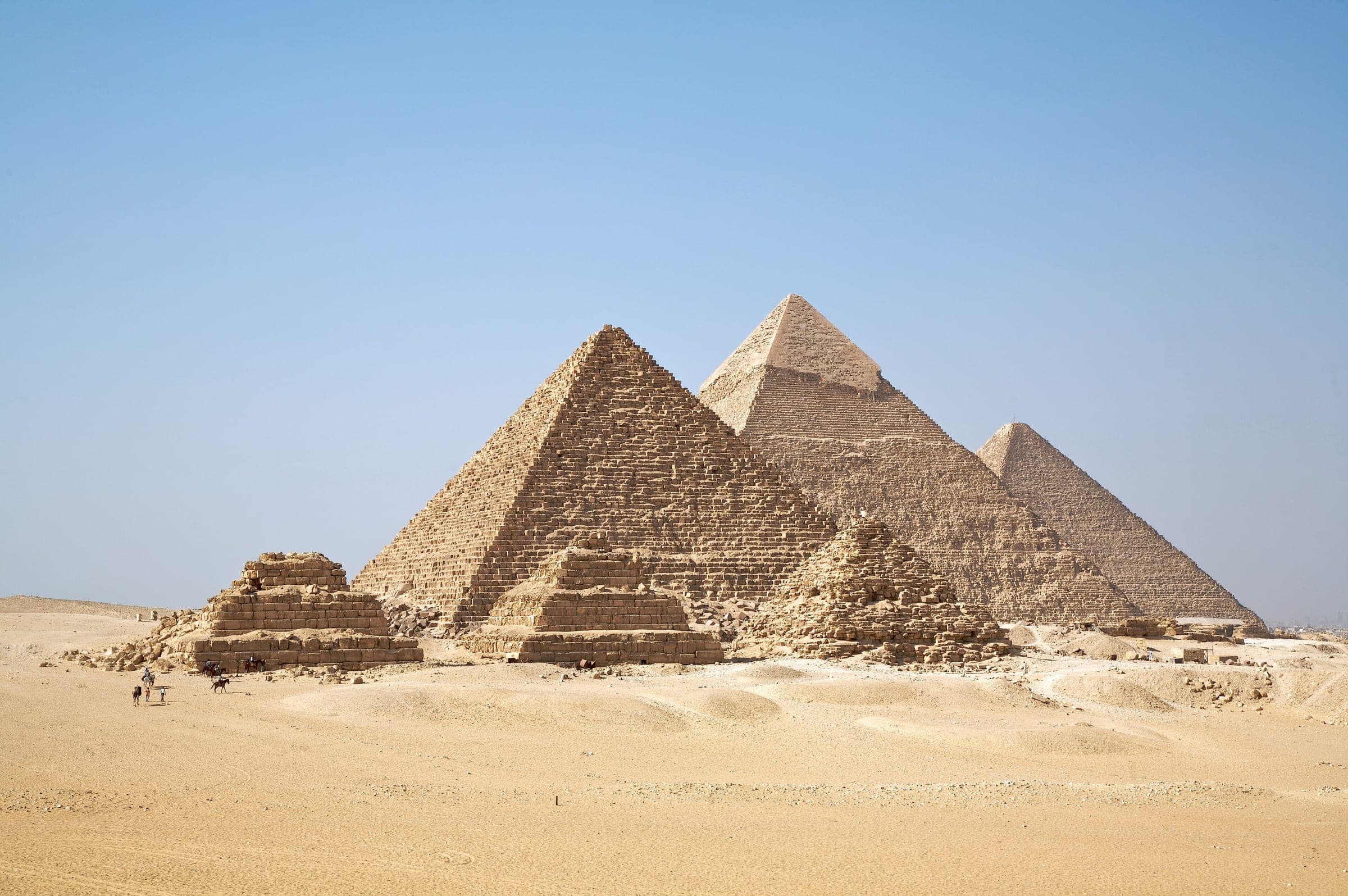
The Giza plateau, on the south-western edge of the city, carries the pyramids of Khufu, Khafre and Menkaure, raised around 2600-2500 BC. Memphis and its necropolis, which include them, have been a UNESCO World Heritage site since 1979.
The pyramid of Khufu is the only one of the seven wonders of the ancient world still standing. It was about 146 metres tall originally and now stands around 138 metres, most of its limestone casing having gone.
Historic Cairo, with its medieval mosques and the Khan el-Khalili bazaar, is also UNESCO-listed. Some thirty kilometres to the south, Saqqara holds the step pyramid of Djoser, the oldest large cut-stone building known.
Khufu, Khafre and Menkaure, around 2600-2500 BC.
A monumental lion-bodied statue, cut from the rock of the plateau.
The step pyramid of Djoser, the oldest of its kind.
The bazaar of medieval Cairo, still working.
Medieval mosques and madrasas, a UNESCO-listed quarter.
Split across several museums; the arrangement keeps changing, and we confirm what is open before departure.
October to April. From June to August temperatures often pass 38 °C and the plateau, which has no shade, becomes punishing.
Yes, the interior of some pyramids can be visited with a separate ticket and a limited number of places. The passages are low, narrow and unventilated: not advisable if you are claustrophobic.
Three days cover Giza, Saqqara, the museums and Islamic Cairo without running from one to the next. It is also the length that fits best before going up to Luxor.
October to April. Summer is very hot, particularly in Upper Egypt, where Luxor and Aswan regularly pass 40 °C.